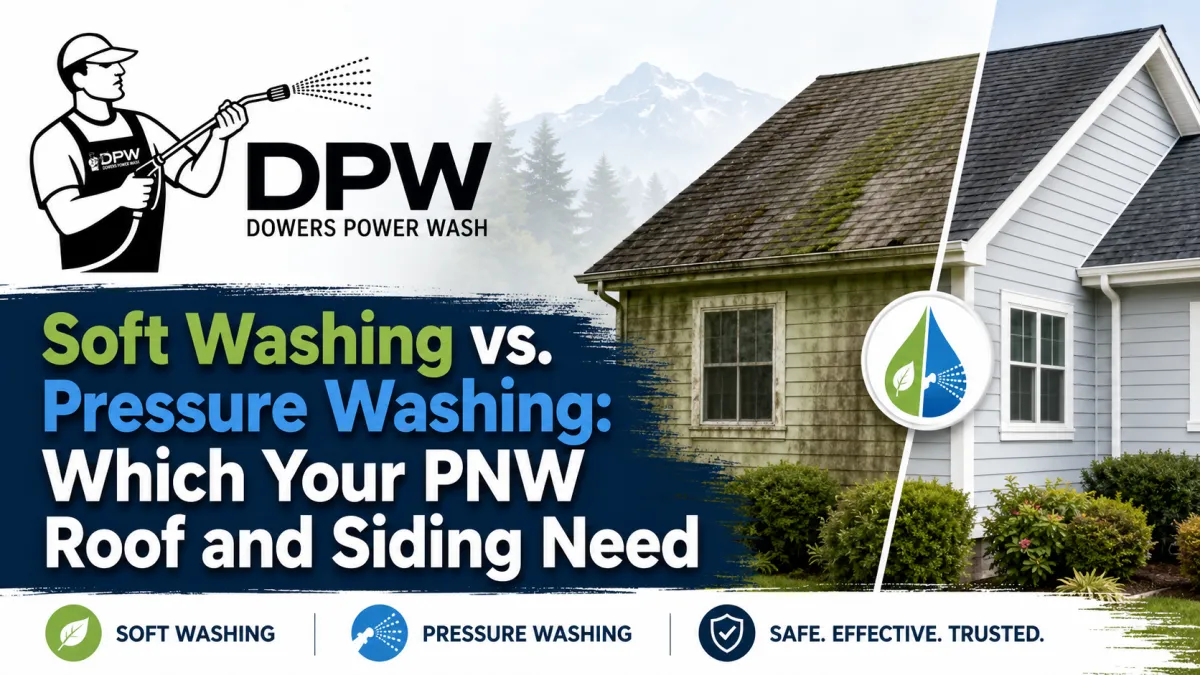
Soft Washing vs. Pressure Washing: Which Your PNW Roof and Siding Need
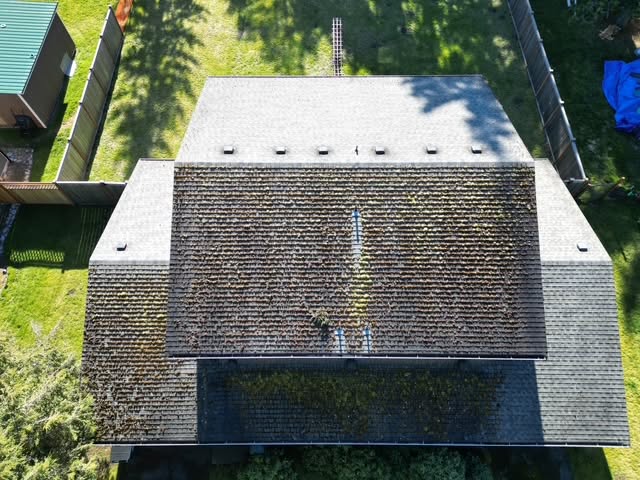
When moss creeps across your Olympia roof or algae stains your siding, the instinct is simple: blast it away with power. But here's what 250+ Thurston County homeowners have learned by working with Dowers Power Wash: the wrong washing method can damage your home worse than the growth you're trying to remove. In the Pacific Northwest's wet climate, where moisture, shade, and organic debris create perfect conditions for algae and moss, choosing between soft washing and pressure washing isn't just about cleaning — it's about protecting your investment.
This guide breaks down exactly what each method does, where each one works, and why Dowers Power Wash chooses soft washing for roofs and delicate siding across Olympia, Lacey, Tumwater, Yelm, Centralia, and Shelton. By the end, you'll know which method your specific surfaces need — and why hiring a professional trained in both matters more than you might think.
What Is Pressure Washing?
Pressure washing uses high-velocity water jets — typically 1,200 to 4,000+ PSI (pounds per square inch) — to blast away dirt, grime, paint, and debris from hard surfaces. Think of it as a power tool that trades precision for force. It's fast, effective on concrete and metal, and that raw power is exactly why it works so well on driveways and patios. The water hits the surface at such speed that nothing can hold on — not dirt, not algae, not much of anything. For concrete driveways, commercial storefronts, and steel equipment, pressure washing is ideal. For everything else, it's risky.
What Is Soft Washing?
Soft washing is the opposite philosophy: low pressure combined with specialized, biodegradable cleaning solutions that kill organisms at the source. Instead of relying on brute force, soft washing uses chemistry. The cleaning solutions break down algae, mold, mildew, and moss at their root level, killing the organism so it doesn't return in weeks. Pressure is kept to 500 PSI or below — low enough that it won't damage delicate surfaces, but high enough to rinse away the dead growth. It takes longer than power washing, but the results last far longer because you're solving the problem, not just hiding it.
Why Pressure Washing Damages Your Roof and Siding
In our 200+ roof and siding jobs across the Thurston County area, we've documented exactly why high-pressure washing causes more harm than good on residential exteriors. Here's what homeowners don't see until it's too late.
High pressure cracks and separates shingles. Roof shingles and vinyl siding aren't meant to withstand 2,000+ PSI jets. The force literally tears protective layers, dislodges granules from asphalt shingles, and cracks the material underneath. One aggressive pass can age your roof by years.
Water gets forced behind panels. When you pressure wash a roof or the seams of siding, high-pressure jets don't just clean the surface — they drive water into cavities, behind panels, and into the wall structure. This moisture can rot wood sheathing, destroy insulation, and create an environment where mold grows inside your walls, where you can't see it until structural damage occurs.
It doesn't solve the algae problem. Pressure alone blasts away the visible green, but leaves the living organism alive. Algae sends out root-like structures that grip the surface. Rinsing doesn't kill it. Within two to four weeks, the green returns — often faster and thicker than before because the surface has been roughed up, giving new spores an even better foothold.
It voids manufacturer warranties. Most shingle and siding manufacturers explicitly void warranties if high-pressure washing is used on their products. Dowers Power Wash uses methods that protect your warranty and your investment.
Why Soft Washing Is the PNW Standard for Roofs and Siding
Soft washing was purpose-built for the climate challenges the Pacific Northwest faces: year-round moisture, persistent algae and mold, heavy rain, and dense tree cover. Here's why it's the professional standard for anything delicate.
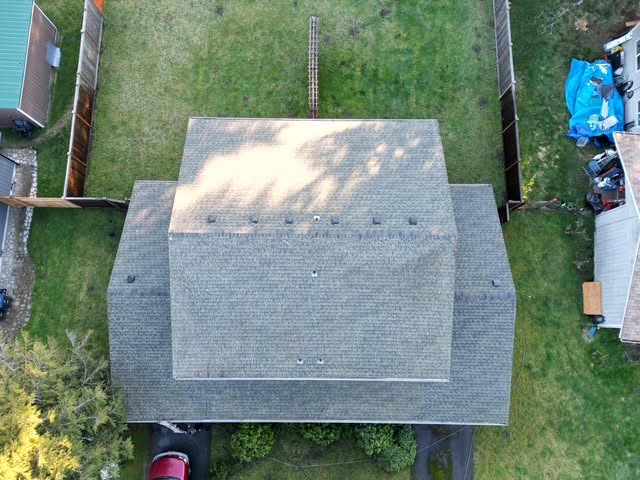
It kills the organism, not just the stain. The biodegradable cleaning solutions Dowers Power Wash uses chemically break down algae, mold, and moss at the cellular level. Once the organism is dead, new growth takes weeks or months to return — not days. This is why customers often see results that last an entire season or longer.
It protects your surfaces. Low pressure means no cracks, no separated shingles, no water forced into cavities. Your roof and siding stay intact, your warranty stays valid, and your home stays dry.
It works in Pacific Northwest conditions. Soft washing is ideal for wet climates. The cleaning solution continues working even as rain falls. Pressure washing in wet conditions is nearly impossible because water streams don't have the force to cut through ongoing moisture. Dowers Power Wash can soft wash your home even during typical PNW weather — and the results will be excellent because that moisture allows the solution to penetrate and work.
It's eco-friendly. Dowers Power Wash uses biodegradable cleaning solutions that break down naturally without harming lawns, landscaping, or water systems. This is especially important in the Thurston County area, where protection of local waterways is a priority.
When to Use Pressure Washing (The Right Way)
Pressure washing has its place — just not on roofs and siding. Here's where it actually makes sense.
Concrete driveways and sidewalks. Concrete is dense and durable. High pressure removes algae, oil stains, and dirt effectively without damaging the surface. This is one of Dowers Power Wash's core services for homeowners across Olympia and Lacey.
Commercial concrete and pavement. Parking lots, loading docks, and industrial spaces can handle pressure washing and often need it for safety and appearance.
Hard metal surfaces. Steel, aluminum, and other metals can take the force without damage.
Composite decking (some types). Certain newer composite materials are designed to withstand pressure washing, though soft washing is still often preferable for longevity.
Wood decks and fences. Here's where it gets tricky. Pressure washing wood at the wrong PSI can split boards and damage the grain. Soft washing is almost always the better choice for wood.
Why Dowers Power Wash Uses Both Methods — But Knows When
As a licensed, insured, veteran-owned company serving the Pacific Northwest for years, Dowers Power Wash invests in both pressure washing and soft washing equipment because the right tool depends on the surface. Our team knows the difference, and we'll recommend what actually protects your home.
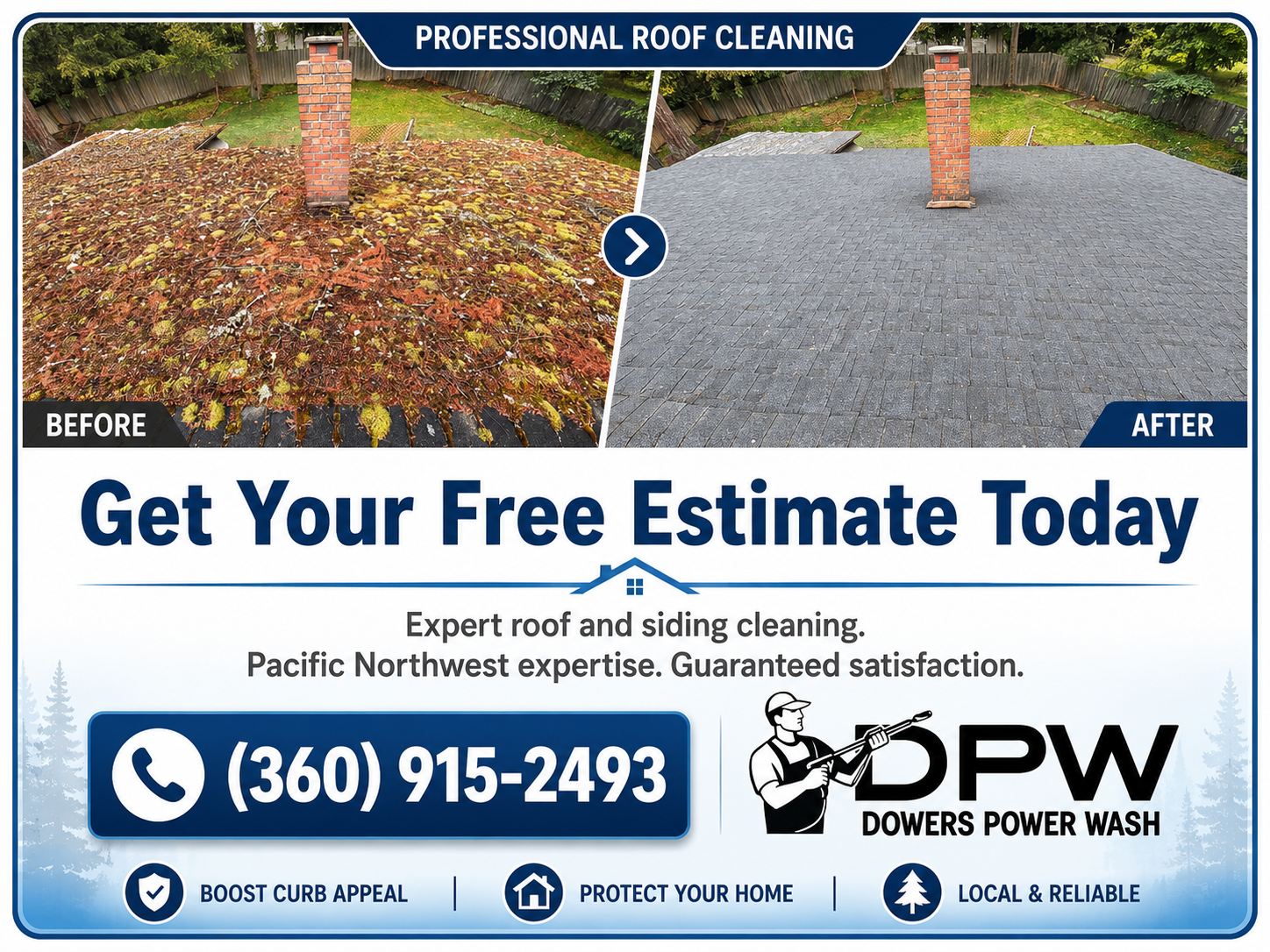
For your roof, we soft wash. Soft washing is the only safe method for shingles, and it's what we recommend for 99% of PNW roofs.
For siding (vinyl, wood, fiber cement), we soft wash. Same principle — the cleaning needs to be effective without damaging the material.
For moss and algae treatment, we soft wash. Killing the organism means lasting results.
For concrete and pavement, we pressure wash. This is where pressure shines, and we use appropriate PSI levels for each surface.
The Real Cost of Choosing Wrong
Homeowners sometimes choose a low-cost pressure washing service and later discover water damage inside walls, roof leaks, or siding that needs replacement. A pressure washing bill of $200-400 becomes a water damage repair of $5,000-15,000. A roof replacement runs $8,000-20,000. When you compare the full cost of a mistake against the cost of soft washing done right by Dowers Power Wash, the choice is clear.
How Professional Soft Washing Actually Works
Step 1: Assessment. We inspect your roof or siding, identify the type and extent of growth, and evaluate any damage or weak spots.
Step 2: Application. Professional-grade biodegradable cleaning solution is applied to the affected areas. The solution begins breaking down algae and moss at the source.
Step 3: Dwell time. We allow the solution to work — typically 10-30 minutes depending on conditions and growth severity. This is where the chemistry does the heavy lifting.
Step 4: Gentle rinse. Using low-pressure water, we rinse away the dead growth and cleaning solution. Your home is clean, and the organism is eliminated at the root.
Step 5: Inspection. We walk your property to ensure complete coverage and customer satisfaction.
Why 250+ Five-Star Reviews Trust Dowers Power Wash
Our customers trust us because:
We're veteran-owned and family-operated — accountability matters to us.
We're licensed and insured — your home and our work are fully protected.
We use eco-friendly, biodegradable solutions — safe for your family, landscaping, and local waterways.
We know the Pacific Northwest climate — every solution is tailored to Thurston County conditions.
We stand behind our work — satisfaction guaranteed.
We respond the same day — your time matters.
Can I use a pressure washer on my roof?
Technically yes, but it's not recommended and voids most manufacturer warranties. High pressure damages shingles, forces water behind panels, and doesn't kill the algae — so it returns quickly. Soft washing is the safe, professional standard for PNW roofs. Dowers Power Wash soft washes every roof to protect your investment and warranty.
Why does algae come back so fast after pressure washing?
Pressure washing only removes the visible green; it doesn't kill the algae organism. The roots remain alive, and the roughed-up surface actually gives new spores an easier foothold. Soft washing kills the algae at the source, so regrowth takes months, not weeks. This is why professional soft washing by Dowers Power Wash delivers longer-lasting results.
Is soft washing safe for vinyl siding?
Yes, absolutely. Soft washing is ideal for vinyl siding because it cleans effectively without the risk of cracking, denting, or separating panels that high-pressure washing causes. The biodegradable cleaning solution kills algae and mold while protecting your siding's integrity. Dowers Power Wash specializes in soft washing for vinyl, wood, and fiber cement siding across Olympia and Lacey.
How much does soft washing cost compared to pressure washing?
Soft washing typically costs slightly more per job than a quick pressure wash because it requires chemistry, dwell time, and more careful technique. However, because soft washing eliminates the organism rather than just the stain, the results last significantly longer. When you factor in cost per year of cleanliness, soft washing is actually the better value. Get a free estimate from Dowers Power Wash to compare pricing for your specific job.
Can I soft wash my concrete driveway?
Yes, soft washing works on concrete, but pressure washing is more efficient for hard surfaces. Concrete is durable enough to handle high pressure, and the speed of pressure washing is ideal for large driveways. Dowers Power Wash pressure washes concrete driveways and patios across Thurston County because it's the right tool for the job.
What if it rains right after soft washing?
Rain after soft washing is not a problem — in fact, the moisture helps the cleaning solution work. The biodegradable solutions Dowers Power Wash uses continue working even as rain falls. This is one reason soft washing is so ideal for the Pacific Northwest's wet climate. Your results won't be affected.
How long does soft washing take compared to pressure washing?
Soft washing takes longer — typically a few hours for an average home versus an hour or two for pressure washing. The extra time is because we allow the cleaning solution to work (dwell time) and apply it carefully. The extended timeline is well worth the results: true algae elimination and lasting cleanliness. Dowers Power Wash can discuss timing when you call for your estimate.
Is soft washing solution safe for my family and pets?
Yes. Dowers Power Wash uses biodegradable, environmentally responsible cleaning solutions designed to break down naturally. They're safe for your family, pets, and landscaping. We take precautions to protect your property, and we'll provide guidance on any temporary precautions during the job.
Do I really need professional soft washing, or can I DIY it?
While DIY pressure washers are available for rental, soft washing requires professional-grade equipment, specialized solutions, and trained technique to apply safely and effectively. Mistakes can damage your roof or siding or leave dangerous runoff. Dowers Power Wash brings licensed, insured expertise and the right equipment — plus a satisfaction guarantee. For your home's protection, professional service is the smart choice.
How often should I have my roof and siding soft washed in the PNW?
For most Thurston County homes, once a year is ideal given our rainfall and humidity. Heavily shaded properties, homes surrounded by trees, or those with previous algae problems may benefit from twice-yearly cleaning. Dowers Power Wash can recommend a schedule during your free estimate. Regular maintenance prevents algae from taking hold and protects your home year-round.
Ready to Protect Your Home?
Whether your roof needs moss removal, your siding has turned green, or your concrete needs a deep clean, Dowers Power Wash has the expertise and equipment to get it right.
📞 (360) 915-2493 Free Estimate • Same-Day Response Licensed • Insured • Veteran-Owned
Serving Olympia, Lacey, Tumwater, Yelm, Centralia, Shelton, and surrounding communities in Thurston County.
